How Basement Waterproofing NJ Reduces Repair Costs Over Time

A dry basement rarely gets much attention. That changes the moment a homeowner notices peeling paint, a musty odor, a damp carpet edge, or water creeping across the slab after a hard rain. By then, the issue is no longer cosmetic. It has started to affect the house itself.
That is why Basement Waterproofing NJ is not simply a moisture-control service. It is a cost-control decision. In New Jersey, where older housing stock, variable soil conditions, freeze-thaw cycles, and periods of heavy rain all work against below-grade spaces, basement water problems tend to get worse, not better, when they are left alone. The financial impact usually arrives in stages. A small crack leads to seepage. Seepage leads to mold, rot, and material failure. Then the homeowner pays for cleanup, replacement, and sometimes structural correction that could have been avoided with earlier intervention.
Most people do not call a waterproofing contractor because they love preventive maintenance. They call because they want to stop spending money on the same problem. After years of seeing how these issues unfold in real homes, one pattern stands out: waterproofing is almost always cheaper than repeated repair cycles.
Why water in a basement becomes expensive so quickly
Basement leaks are deceptive. A homeowner might see a little moisture in one corner and assume the problem is isolated. In practice, water rarely behaves that neatly. It follows the path of least resistance, moves through porous concrete, pressures foundation walls from the outside, and lingers in places that are hard to inspect. Even minor infiltration can trigger a chain of expenses.
The first costs are usually surface-level. Someone replaces stored cardboard boxes, area rugs, trim, or a section of drywall. They run fans, buy a dehumidifier, and hope the issue was a one-time event. Then another storm comes. Or https://emiliohdaa580.summitviewdaily.com/posts/how-basement-waterproofing-nj-helps-protect-electrical-and-hvac-systems snow melts fast in late winter. Or the humidity rises enough that the basement starts smelling stale again. At that point the homeowner is paying twice, once for the visible damage and once for the ineffective fix.
The more serious costs come from materials that do not tolerate chronic moisture well. Wood framing can absorb moisture and warp. Metal can corrode. Drywall softens and loses integrity. Flooring adhesives let go. Insulation becomes less effective once wet. If the basement contains mechanical systems, the stakes rise further. Furnaces, water heaters, electrical panels, and laundry equipment are all more vulnerable in a damp environment.
Repair bills also grow because basement water problems do not stay in the basement. Moisture affects indoor air quality throughout the home. That means a leak downstairs can contribute to odor and mold concerns upstairs. Families often notice symptoms before they identify the source, especially when the basement is partly finished and the wet area sits behind walls or under flooring.
New Jersey homes face a particular mix of risks
The economics of Basement Waterproofing NJ make more sense when you look at regional conditions. New Jersey has a broad range of home ages and foundation types, from older stone and block foundations to poured concrete in newer construction. Many neighborhoods also deal with high water tables, poor exterior drainage, compacted clay soil, or lots graded toward the home rather than away from it.
Weather adds pressure. Long wet stretches in spring can saturate the soil around a foundation. Summer storms can dump a surprising amount of water in a short time. Winter freeze-thaw cycles can widen foundation cracks and shift drainage patterns. In coastal and low-lying areas, groundwater concerns can be more persistent than owners expect.
Older homes are especially revealing. It is common to see a basement that stayed “mostly dry” for decades suddenly develop recurring problems after nearby construction, a new patio installation, clogged footing drains, or changes in landscaping. What changed was not always the house itself. Sometimes the movement of water around the house changed. That distinction matters because homeowners often spend money treating symptoms inside while the exterior drainage problem remains untouched.
The hidden math of repeated minor repairs
Many homeowners hesitate at the price of waterproofing because they compare it to the cost of doing nothing today. That is the wrong comparison. The real comparison is between a planned corrective project now and unplanned repair spending over the next five or ten years.
Imagine a basement with occasional seepage along one wall. The owner replaces a section of base trim, repaints with moisture-resistant paint, buys a better dehumidifier, and pays for a small mold cleanup. None of those expenses sounds enormous on its own. But stack them over multiple seasons and they start to resemble the cost of a proper interior drainage system, sump solution, crack repair, or exterior water management upgrade.
Now add the less obvious expenses. Time off work to meet contractors. Disposal fees for damaged materials. Higher utility use from constant dehumidification. Storage losses. Insurance deductibles if a claim applies, and many water issues do not qualify the way owners assume. If the basement is finished, the numbers climb much faster. Replacing flooring, drywall, cabinetry, and insulation in a finished lower level can turn a manageable water issue into a five-figure restoration.
There is also the problem of repair redundancy. I have seen basements where homeowners paid for the same wall to be repainted three times. The paint looked clean for a while, but the hydrostatic pressure behind the wall never changed. Eventually the coating bubbled again, and they paid to remove what they had just installed. Money spent on finishes before water control is often money spent twice.
Structural preservation matters more than aesthetics
A damp basement may begin as an annoyance, but long-term moisture can affect the structure in ways that are much more expensive to correct. Not every leak means major structural danger, and it is important not to exaggerate. Still, recurring water against a foundation is never a good thing.
Concrete can crack. Mortar joints in older block or stone foundations can weaken. Efflorescence, the white chalky residue many homeowners notice on basement walls, is not by itself structural failure, but it signals moisture movement through masonry. Over time, that movement can contribute to deterioration. In some cases, pressure from saturated soil outside can bow walls inward or open existing cracks further.
Once structural repairs enter the picture, the cost gap between early waterproofing and delayed action becomes stark. A crack injection or drainage correction is one level of work. Wall stabilization, foundation reinforcement, or excavation combined with masonry restoration is another level entirely. The latter is where budgets get strained.
Basement Waterproofing NJ reduces repair costs over time partly because it helps preserve the structural envelope before water pressure and chronic saturation push a manageable issue into a major one.
Mold remediation is often more expensive than people expect
People sometimes talk about mold as if it were only a cleaning problem. In real houses, it tends to be a demolition problem. If moisture repeatedly reaches drywall, trim, carpet padding, or insulation, those materials may need to be removed rather than simply dried.
Even limited remediation can become disruptive. Finished walls get opened. Contents have to be moved. Air scrubbers may run for days. Then reconstruction starts after the area is dry and the original water source has actually been fixed. That last part is where many homeowners get burned. They pay to clean up mold but delay the waterproofing work, so the conditions that caused the growth return.
One homeowner in a central New Jersey property had what appeared to be a minor issue, just a musty smell in a semi-finished basement office after heavy summer storms. When the lower section of one wall was opened, the backside of the drywall and sections of fiberglass insulation had been damp repeatedly for months. The cleanup itself was not cheap, but the rebuilding costs afterward made the situation much worse. If the water entry had been addressed when the first odor appeared, the total spending would have been far lower.
That is a common story. The expensive part is not always the mold treatment alone. It is the chain reaction of removal, disposal, drying, and reconstruction.
Finished basements magnify the financial risk
An unfinished basement can tolerate some moisture better than a finished one, though that does not mean it should. Once a homeowner adds framing, flooring, built-ins, drywall, recessed lighting, and furniture, the basement becomes a much more expensive area to protect.
A finished basement leak often involves layered damage. Water may get under luxury vinyl plank flooring, into subfloor materials, inside insulation cavities, and behind painted wall surfaces where it remains hidden. By the time staining appears, the moisture may have spread well beyond the visible area. That broadens the repair footprint and increases labor costs.
This is one reason waterproofing done before finishing a basement often pays for itself in risk reduction alone. Spending on wall systems, flooring, or custom millwork before resolving water entry is like installing a new roof over rotted decking. The finished look may be attractive at first, but the underlying weakness remains.
For New Jersey homeowners considering a basement remodel, this sequence matters. Waterproof first, finish second. Reversing that order is one of the costliest mistakes I see.
Waterproofing also protects mechanical systems and stored belongings
Not every basement serves as living space. Many function as utility and storage areas, which can make owners underestimate the value of protecting them. But utility spaces often contain some of the most expensive equipment in the home.
A basement flood that reaches a furnace, boiler controls, water heater, washer, dryer, or electrical components can quickly produce repair or replacement costs that dwarf the price of earlier waterproofing measures. Even without standing water, chronic humidity shortens the life of some systems and contributes to rust, corrosion, and reduced efficiency.
Stored belongings are another source of quiet loss. Holiday decorations, tools, archived documents, books, family furniture, and seasonal clothing often end up in basements because the space feels out of the way and useful. A single leak can ruin a surprising amount of property, especially when moisture is discovered late. Plastic bins help, but they are not a substitute for addressing the source of water.
Homeowners sometimes shrug off those losses because they happen gradually. Yet over a decade, replacing damaged items and utility equipment can amount to a substantial sum.
Not all waterproofing methods solve the same problem
One reason some homeowners feel skeptical about Basement Waterproofing NJ is that they have seen poor recommendations or one-size-fits-all sales pitches. That skepticism is understandable. Waterproofing is not a single product. It is a category of solutions, and the right approach depends on how water is entering, where pressure is building, and what the house is doing.
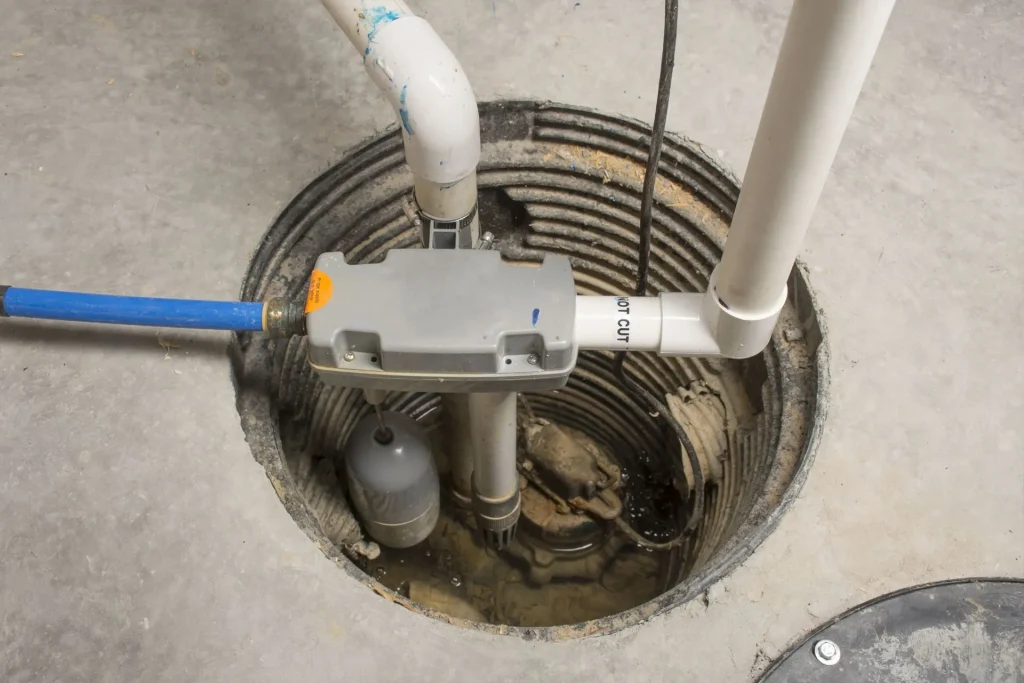
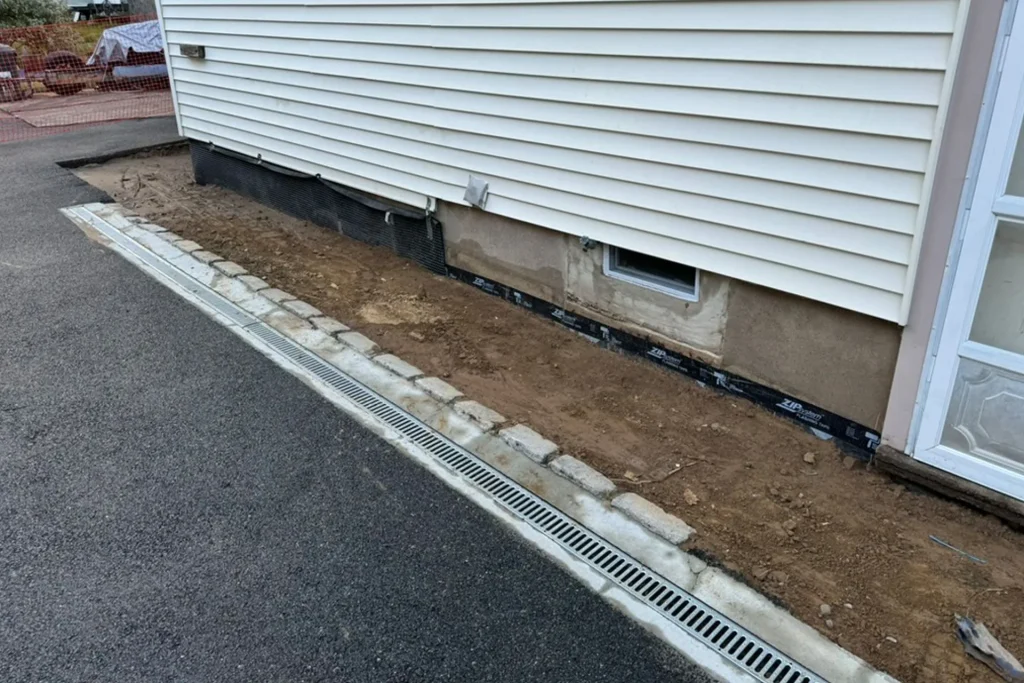
A hairline wall crack that leaks during storms may need a targeted repair. A basement with perimeter seepage may benefit from an interior drainage channel and sump system. A house with roof runoff dumping near the foundation may first need gutter and grading corrections. Some homes require a combination of interior and exterior work.
The cheapest bid is not always the least expensive option over time. If a contractor proposes a cosmetic sealer when the real issue is exterior water load or poor subsurface drainage, the homeowner may end up paying again for the correct fix later. On the other hand, not every damp basement requires full excavation around the entire foundation. Good diagnosis matters because overtreatment also costs money.
This is where experience shows. The best waterproofing plans are specific. They account for site grading, soil behavior, downspout discharge, crack patterns, humidity levels, and how often the problem occurs. They solve enough of the problem to prevent recurring damage, not just enough to make the basement look dry for a month.
Preventive work supports resale value and smoother transactions
Even homeowners who plan to move rather than stay long term should think carefully before ignoring basement moisture. Buyers notice damp basements quickly. So do home inspectors. Water stains, mildew odor, visible efflorescence, or a running dehumidifier in every showing raise questions that can affect both price and negotiating leverage.
A documented waterproofing project often gives buyers more confidence than a basement that looks freshly painted but has no explanation for past moisture signs. Buyers understand that houses age and problems occur. What worries them is uncertainty. If they suspect hidden water issues, they may ask for credits, request intrusive inspections, or walk away entirely.
The resale value of waterproofing is not always a perfect dollar-for-dollar return, but it often protects value by preventing deal friction and reducing perceived risk. In markets where buyers have choices, a dry basement reads as a well-maintained home. A damp one reads as future expense.
The long view usually favors earlier intervention
There is a useful way to think about basement water problems. The first year is when they are easiest to dismiss. The fifth year is when owners realize how much small recurring expenses have added up. The tenth year is when delayed maintenance can become a major rehabilitation issue.
Over time, proper waterproofing reduces repair costs because it interrupts that progression. It limits material damage, lowers mold risk, protects finishes and systems, and helps preserve the foundation itself. It also creates predictability. A homeowner who invests in the right corrective work can budget once and move on, rather than repeatedly responding to weather-driven surprises.
That does not mean every basement needs an elaborate system tomorrow. Some homes only need focused improvements such as extending downspouts, correcting slope near the foundation, sealing a specific entry point, or managing interior drainage more effectively. The point is not to overspend. The point is to spend in the right place before recurring damage multiplies.
Signs that should not be ignored
Certain warning signs suggest a basement moisture problem is active even when standing water is absent. When these show up together, repair costs tend to rise if action is delayed.
- A musty odor that returns after cleaning or dehumidifying
- White mineral residue on masonry walls or floors
- Peeling paint, warped trim, or staining near the base of walls
- Dampness after storms, snowmelt, or periods of high groundwater
- Rust on appliances, columns, or utility components in the basement
These symptoms do not all point to the same cause, but they do point to the same basic reality: moisture is moving where it should not.
Where smart homeowners save the most money
The biggest savings usually come from pairing accurate diagnosis with timely action. That means identifying whether the issue is surface water, groundwater pressure, foundation cracking, humidity, or a combination. Once the cause is clear, homeowners can prioritize work that stops the recurring damage cycle.
In practical terms, the best financial outcomes often come from a few habits. Homeowners who respond early to warning signs spend less than those who wait for a flood. Those who waterproof before finishing a basement spend less than those who rebuild after damage. Those who choose solutions based on the actual water pattern spend less than those who keep trying cosmetic fixes.
A dry basement is easy to take for granted, but it protects a surprising amount of value. It shields structure, finishes, mechanical systems, stored property, indoor air quality, and resale confidence. That is why Basement Waterproofing NJ is not merely a defensive home improvement. Over the life of the home, it is one of the clearest examples of spending money once to avoid spending much more later.
ARD Waterproofing
Address: 98 Smull Ave, West Caldwell, NJ 07006
Phone number: +12016465936
FAQ About Basement Waterproofing NJ
What is the best waterproofing method for a basement?
The best overall approach to waterproofing a basement is a combined exterior and interior system that stops water at the foundation wall and safely manages any moisture that gets through.
What is the average cost to waterproof a basement?
The average cost to waterproof a basement ranges from $2,500 to $15,000, with most homeowners paying around $5,200 for a complete project.
Can a basement be waterproofed from the inside?
Yes, a basement can be waterproofed from the inside, and it is often the most affordable and least disruptive method.